
Learning from Real Program Experiences

These stories illustrate how thoughtful program design creates value for employees, companies, and communities.

Professional mentor working one-on-one with young entrepreneur in skills-based volunteering session

Skills-Based Mentorship for Young Entrepreneurs

A technology services company wanted to leverage their employees' business expertise for social impact. Rather than organizing generic service events, they developed a structured mentorship program connecting employees with entrepreneurs from underserved communities.

The program design included mentor training, matching protocols based on specific business challenges, and quarterly evaluation sessions. Mentors committed to monthly meetings over six months, providing guidance on business planning, financial management, and market development.

This approach created meaningful engagement for employees who appreciated using their professional skills, while entrepreneurs received targeted support that addressed their actual needs. The program structure enabled both immediate guidance and relationship development over time.

Environmental Education Partnership

A manufacturing company sought to connect their sustainability values with employee engagement. They partnered with an environmental education organization to develop workshops for local schools on waste reduction and recycling.

Employee volunteers received training on educational facilitation and age-appropriate content delivery. Teams of employees then visited schools quarterly to lead interactive workshops, bringing materials and activities that made environmental concepts accessible to students.

The program succeeded because it connected to the company's core business while providing employees with new skills in education and public speaking. The environmental organization gained consistent volunteer support that expanded their program reach, while schools received quality environmental education they couldn't otherwise access.

Corporate volunteers leading environmental education workshop with school children

Key Insights from Program Development

These patterns emerge across effective corporate volunteering initiatives.

Clear Focus Creates Impact

Programs that concentrate on specific causes or beneficiary groups achieve deeper impact than those attempting to address everything. Focus enables expertise development and relationship building.

Structure Enables Participation

Well-defined volunteering opportunities with clear time commitments and expectations attract more participation than vague invitations. Employees need to understand what they're committing to.

Skills Match Matters

Volunteering that leverages employees' professional capabilities creates higher engagement than activities disconnected from their expertise. People want to contribute meaningfully.

Partner Quality is Critical

Working with professional, well-organized nonprofit partners ensures positive volunteer experiences. Poor partner capacity leads to frustration and disengagement.

Consistency Builds Relationships

Ongoing engagement creates deeper impact than one-time events. Regular volunteering enables volunteers and beneficiaries to develop meaningful connections.

Communication Drives Participation

Programs require active promotion and storytelling. Employees need to hear about opportunities multiple times through different channels to convert interest into participation.

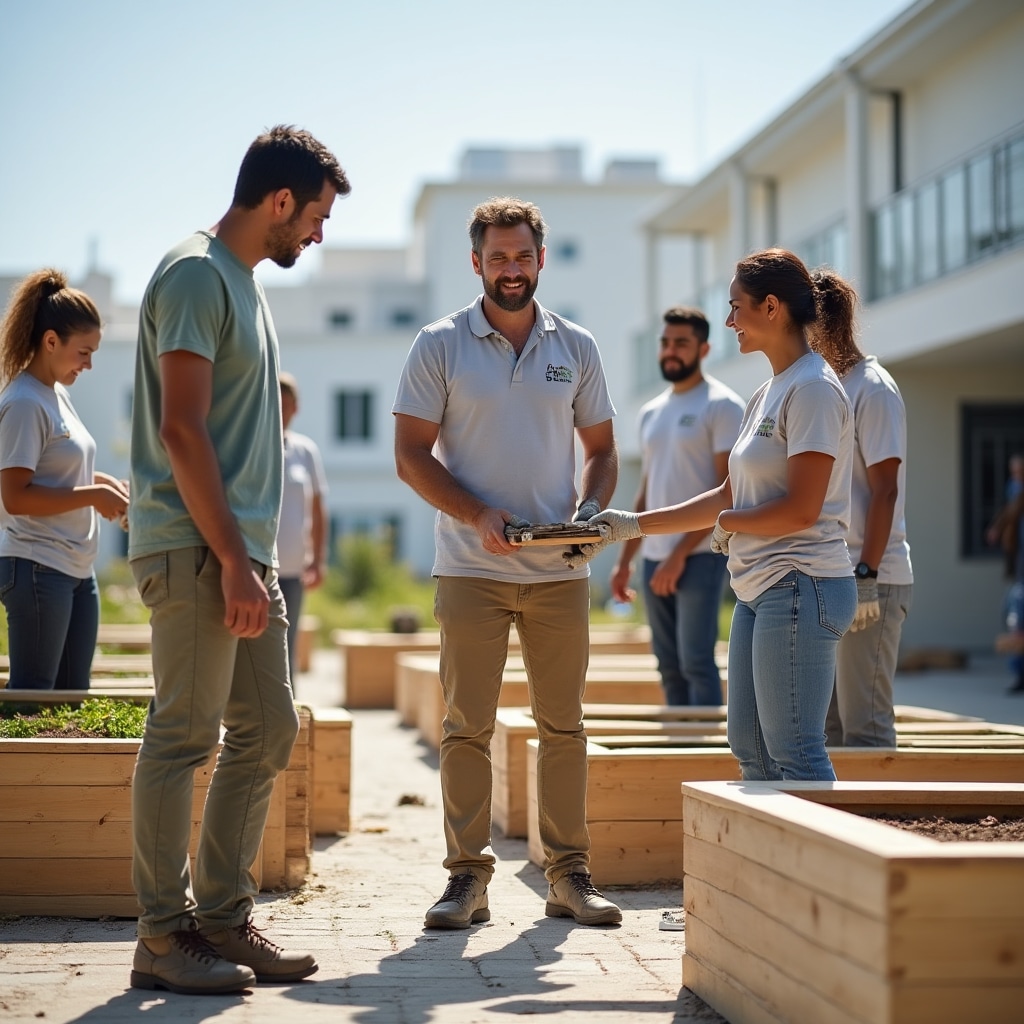
Corporate team working together on community service project building team cohesion

Team Service Days for New Employees

A financial services firm integrated volunteering into their onboarding process for new hires. Each quarterly cohort of new employees participated in a full-day service project as part of their first week, working alongside experienced colleagues.

These service days served multiple purposes: introducing company values, building connections across departments, and creating immediate community engagement. Projects ranged from urban garden development to facility improvements at social organizations.

This approach normalized volunteering as part of company culture from day one. New employees reported that the service day helped them connect with colleagues and understand the company's community commitment. The program also provided natural volunteering leadership opportunities for experienced employees.

Common Implementation Challenges

Understanding typical obstacles helps in planning effective programs.

Time Constraints

Employees struggle to find time for volunteering amid work demands. Successful programs provide clear time allocation policies and manager support, making participation feasible rather than requiring personal sacrifice.

Geographic Dispersion

Companies with multiple locations face challenges creating consistent programs. Solutions include virtual volunteering options, location-specific partnerships, and centralized coordination with local flexibility.

Measurement Complexity

Tracking social impact is inherently difficult. Practical approaches focus on participation metrics, volunteer satisfaction, and partner feedback rather than attempting to quantify community-level change.

Uneven Participation

Some employees engage enthusiastically while others never participate. Addressing this requires diverse opportunity types, consistent communication, and understanding that voluntary participation naturally varies.

Virtual Volunteering During Transitions

When a retail company transitioned to hybrid work arrangements, their traditional on-site volunteering model became impractical. They redesigned their program to include substantial virtual components.

Virtual opportunities included online tutoring for students, professional skills workshops delivered remotely to job seekers, and digital content creation for nonprofit organizations. These activities accommodated diverse schedules and enabled participation regardless of location.

The virtual model attracted employees who had never participated in traditional volunteering due to scheduling conflicts or mobility limitations. While some employees preferred in-person activities, the expanded options increased overall program participation and demonstrated that effective volunteering doesn't require physical presence.

Employee conducting virtual volunteering session from home office providing remote mentorship

What Makes Programs Sustainable

Leadership Commitment

Programs thrive when senior leaders actively participate and publicly support volunteering. Executive engagement signals organizational priority and gives employees permission to participate.

Clear Ownership

Designating specific staff to coordinate the program ensures consistent management. Volunteering programs fail when treated as everyone's responsibility but no one's job.

Adequate Budget

Sustainable programs require funding for coordination time, materials, training, and recognition. Expecting programs to run without resources leads to volunteer burnout and program decline.

Regular Evaluation

Programs that establish evaluation rhythms and use data for improvement maintain relevance over time. Without feedback mechanisms, programs drift from their original purpose.